(By Khalid Masood)
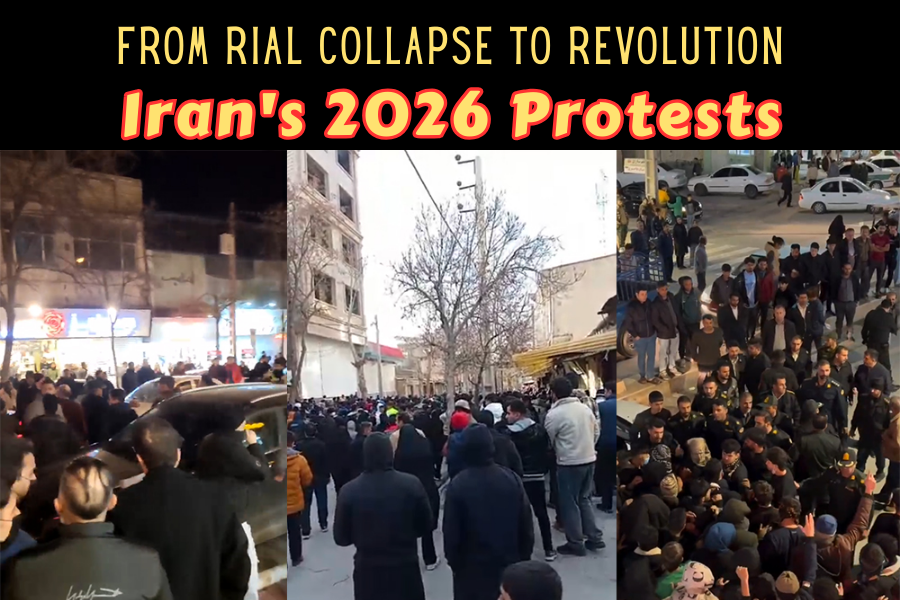
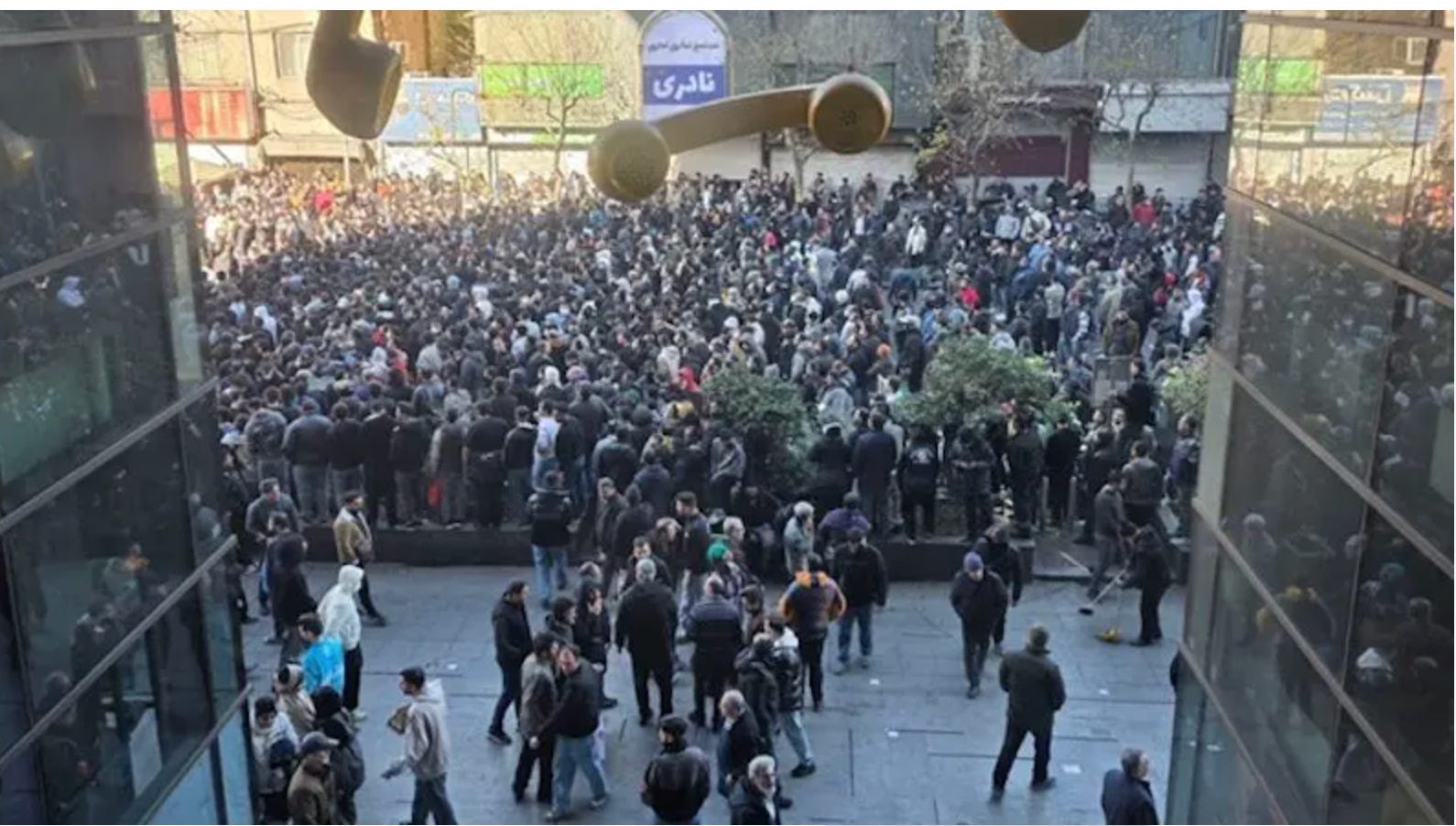
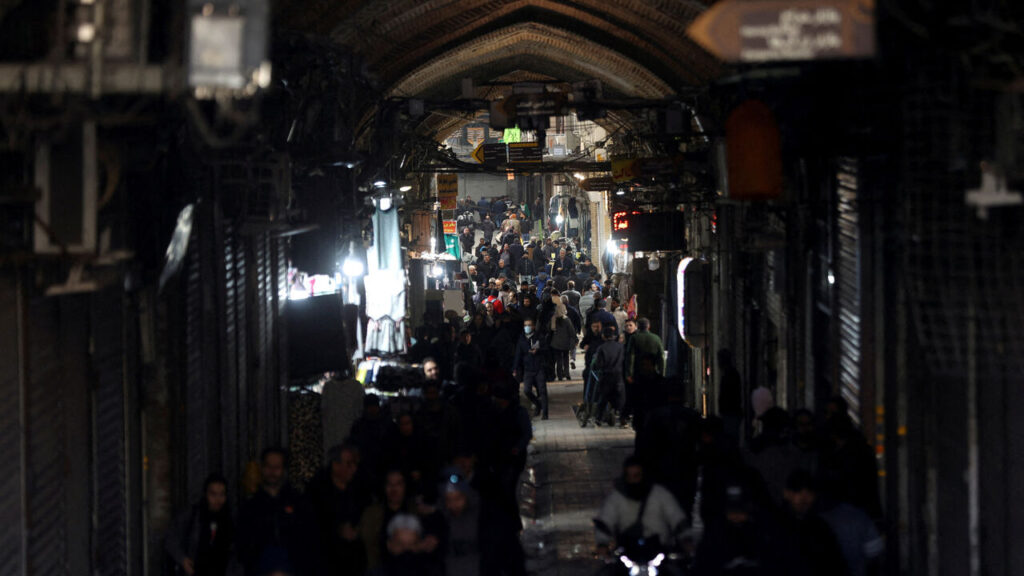
The historic Grand Bazaar in Tehran, a symbol of Iran’s commercial heart for centuries, stood eerily silent on December 28, 2025. Merchants shuttered their shops in protest as the Iranian rial plunged to a record low of around 1.4–1.45 million to the U.S. dollar on the black market. What began as an economic strike quickly snowballed into the largest nationwide uprising since the 2022–2023 “Woman, Life, Freedom” movement sparked by Mahsa Amini’s death.
By early January 2026, protests had spread to over 220 locations across 26 of Iran’s 31 provinces, with crowds chanting “Death to the Dictator” and reviving slogans like “Woman, Life, Freedom.” Rights groups reported at least 16–20 deaths, hundreds injured, and nearly 1,000 arrests as security forces used live ammunition in clashes. As the unrest enters its second week, U.S. President Donald Trump has threatened intervention if protesters are killed, while Iranian officials accuse foreign powers of orchestration—reviving memories of the 1953 CIA-backed coup against Mohammad Mossadegh.
This crisis is rooted in profound economic despair but amplified by geopolitical tensions, including the recent U.S. capture of Venezuelan President Nicolás Maduro. Both nations have relied on oil sales to China in yuan to evade sanctions, raising speculation about shared fates under Trump-era pressure.
The Economic Trigger: A Currency in Freefall
Iran’s economy has been battered for years by U.S. sanctions, mismanagement, and the fallout from 2025 U.S.-Israeli strikes on nuclear sites. Inflation hovers at 40–52%, food prices have surged 70–72%, and recurring power outages plague daily life. The rial’s dramatic collapse in late 2025—losing over half its value in a year—proved the breaking point.
Ordinary Iranians describe basics like meat and dairy as luxuries. Merchants in Tehran’s Grand Bazaar, unable to import goods amid volatile prices, initiated strikes that spread to students, workers, and rural areas. President Masoud Pezeshkian appointed a new central bank governor and promised modest subsidies (around $7 monthly credits), but these measures have been dismissed as insufficient.

To sustain revenue, Iran exports nearly 90% of its oil to China, often via shadow fleets and yuan payments, bypassing the dollar-dominated system. This mirrors Venezuela’s strategy, where oil sales to China averaged 600,000+ barrels per day in late 2025.
Escalation: From Bazaar Strikes to Nationwide Unrest
The protests erupted on December 28, 2025, and rapidly intensified. By January 1–3, 2026, demonstrations reached dozens of cities, including Isfahan, Shiraz, Mashhad, and smaller towns like Lordegan and Azna. Funerals for slain protesters turned into fresh rallies, with crowds blocking roads, setting fires, and clashing with Basij militias.
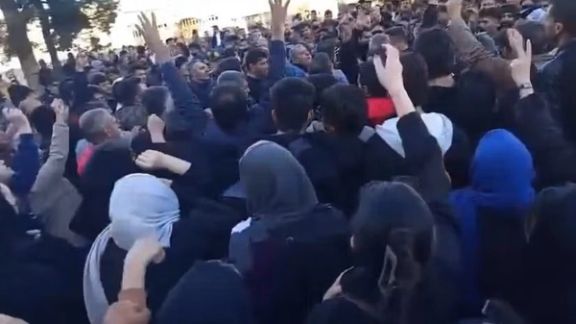
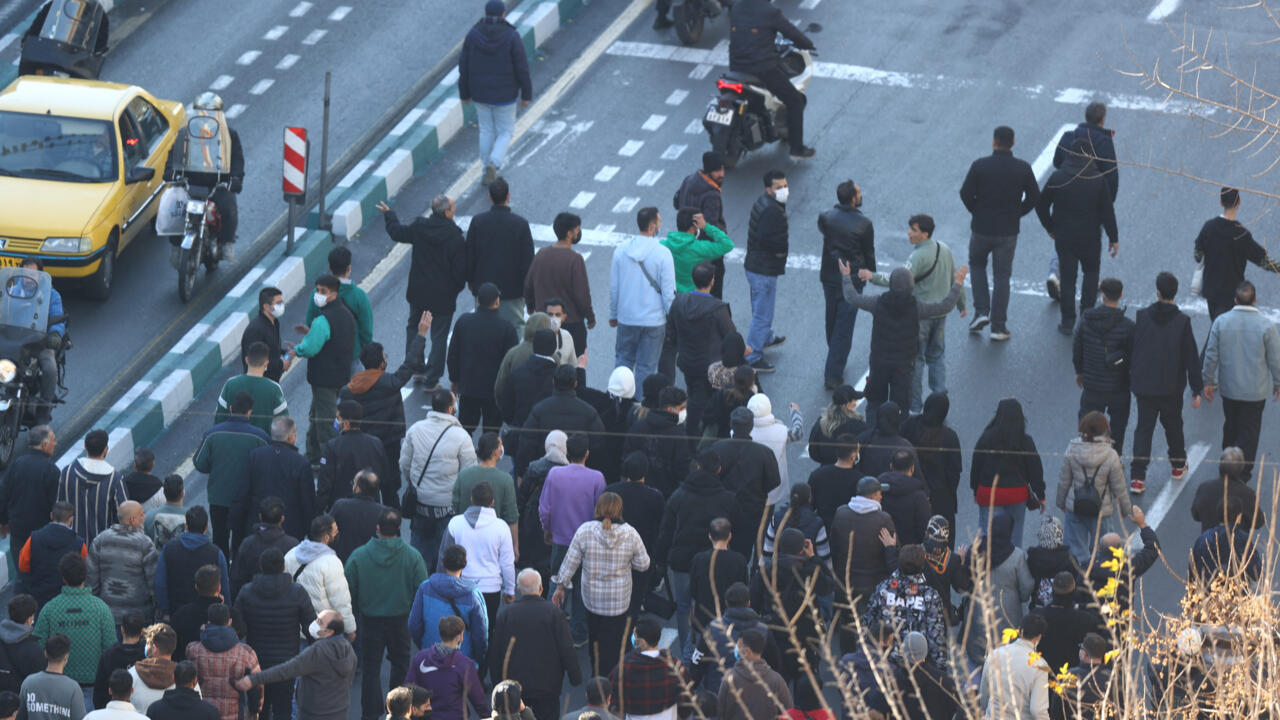
Unlike past uprisings, this one is leaderless and broadly inclusive, blending economic grievances with political demands. Protesters attack regime symbols, chanting against Supreme Leader Ali Khamenei. Reports indicate Israeli intelligence claims Khamenei has an escape plan to Russia if security forces defect.
The Human Cost: Casualties and Measures to Maintain Order
Iran is facing significant economic challenges, including high inflation and currency devaluation, which have been attributed by the government to international sanctions and by critics to a combination of sanctions, mismanagement, and external pressures. During the ongoing protests, security forces have engaged with demonstrators in efforts to restore public order amid reports of violence on both sides.
Human rights organizations such as HRANA and Hengaw, which operate independently and often from outside Iran, report at least 16–20 deaths, including accounts of children among the casualties, resulting from the use of live fire in provinces like Lorestan and Chaharmahal and Bakhtiari. These figures contrast with lower official counts provided by Iranian authorities, who describe some deaths as occurring during confrontations involving attacks on police stations, arson, and road blockages. Verified footage and reports indicate instances of protesters throwing stones, setting tires alight, and clashing with law enforcement, alongside security forces employing tear gas, pellets, and in some cases live ammunition.
Internet restrictions have been imposed across several provinces, a step the government describes as necessary to curb online coordination and disinformation, while critics view it as limiting freedom of expression and protest organization. Casualty and arrest numbers (estimated at 582–990 by monitoring groups) remain disputed, with both protesters and security personnel reported injured in the clashes. Observers note that the scale of fatalities, while tragic, is lower than in some previous Iranian uprisings.
Government Response: Balancing Dialogue and Security Concerns
President Masoud Pezeshkian has publicly recognized the legitimacy of certain economic grievances expressed by protesters, advocating for dialogue and implementing measures such as appointing a new central bank governor and adjusting subsidies to address public hardship.
Supreme Leader Ayatollah Ali Khamenei has drawn a distinction between peaceful demonstrators raising valid concerns and what he terms “rioters” who engage in violence, stating that the former should be heard while order must be maintained against the latter. Iranian officials have accused the United States and Israel of exploiting or encouraging the unrest, pointing to statements from U.S. President Donald Trump and historical precedents as evidence of potential foreign involvement, though no concrete proof of direct orchestration has been presented publicly.
The government’s overall approach combines limited concessions and reform signals with a firm security stance, reflecting internal differences between more reform-oriented voices and hardline positions focused on stability and sovereignty.
Geopolitical Drama: Trump’s Threats, International Reactions, and Oil Parallels
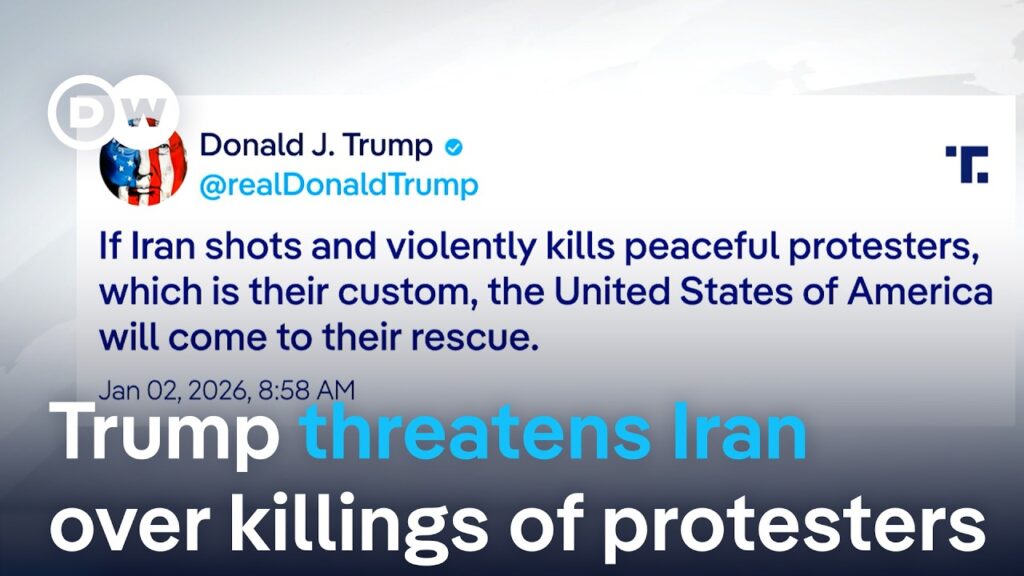
Trump’s warnings—”locked and loaded” if peaceful protesters are killed—came days after the U.S. military operation capturing Maduro on January 3, 2026. Iranian officials threatened U.S. bases in retaliation, calling intervention a “red line.”

Parallels with Venezuela – Oil Deals, Sanctions Evasion, and U.S. Intervention
Both Iran and Venezuela have evaded U.S. sanctions by routing oil to China via shadow tankers, often paid in yuan or barter deals. Venezuela’s exports hit record highs to China in late 2025 before Maduro’s capture on narco-terrorism charges. Trump suggested redirecting Venezuelan oil away from Beijing, impacting China’s energy security.
Speculation abounds that Trump’s Venezuela success could embolden similar actions against Iran, especially as both challenge dollar hegemony in oil trade. However, independent analysts emphasize the protests’ organic roots in economic pain, not external orchestration.
Historical and Modern Parallels: From Mossadegh to Maduro
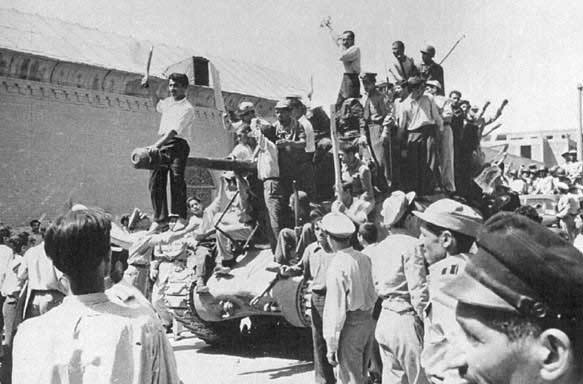
Iranian officials frequently invoke the 1953 Operation Ajax, where the CIA and MI6 orchestrated Mossadegh’s overthrow after oil nationalization, using propaganda and paid mobs.

Similarities: Foreign rhetoric seen as interference amid domestic discontent. Differences: 1953 involved direct covert funding; 2026 lacks such evidence, appearing driven by genuine hardship. The Maduro parallel adds a contemporary layer—U.S. force removing a sanctions-evading leader allied with China and Iran.
This uprising stands out for its broad geographic and social reach, occurring when the regime is weakened by regional losses (e.g., Assad’s fall) and military setbacks.
Conclusion: What Comes Next?
Iran faces a pivotal moment. Concessions might defuse short-term anger, but deep reforms seem unlikely under hardliner dominance. A brutal crackdown risks escalation, especially with Trump’s threats looming. Unlike engineered coups of the past, this feels authentically homegrown—fueled by desperation over a collapsed economy and lost hope.
The Venezuela precedent and oil geopolitics add uncertainty: Will U.S. pressure accelerate change or rally nationalists? As protests continue, the world watches whether 2026 marks the Islamic Republic’s breaking point or another chapter of resilience amid repression.