(By Khalid Masood)
Introduction
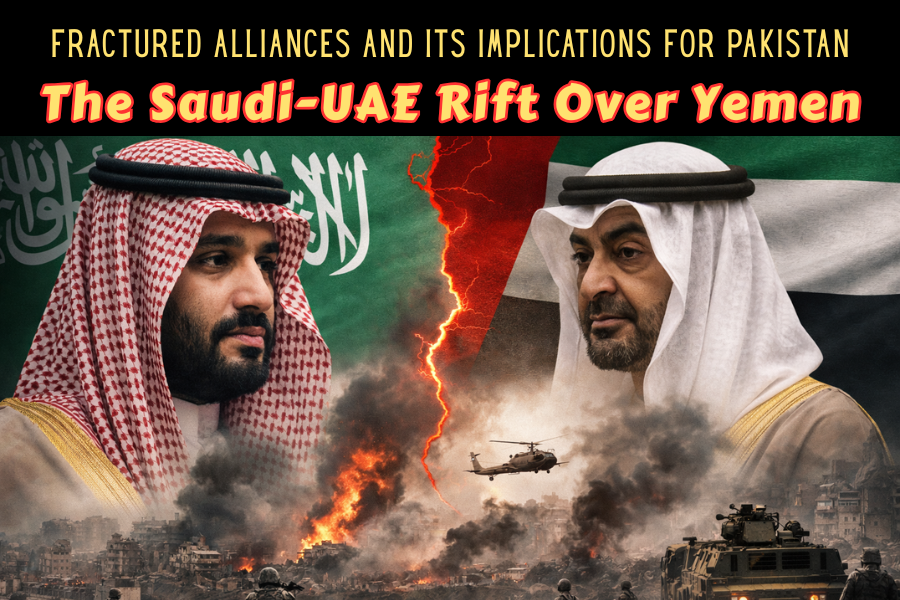
The decade-long civil war in Yemen has long been a proxy battleground for regional powers, but in late December 2025, a dramatic escalation exposed deep fissures between two key players: Saudi Arabia and the United Arab Emirates (UAE). Once united in a military coalition against the Iran-backed Houthis, the two Gulf giants now find themselves on the brink of direct confrontation over competing visions for Yemen’s future. This rift, marked by airstrikes, troop withdrawals, and public accusations, threatens to reignite full-scale conflict in Yemen while complicating the geopolitical landscape for countries like Pakistan, which relies heavily on both Riyadh and Abu Dhabi for economic and strategic support.
This article examines the roots of the crisis, the rapid developments in the last weeks of 2025, the broader implications, Pakistan’s delicate balancing act, and recommendations for how Islamabad can safeguard its interests amid this turmoil.
Historical Context: Diverging Paths in Yemen
Saudi Arabia and the UAE launched a joint intervention in Yemen in 2015 to restore the internationally recognized government after Houthis seized Sanaa in 2014. While Saudi Arabia focused on containing Iranian influence and preserving a unified Yemen under its sphere, the UAE pursued a more fragmented approach, backing the Southern Transitional Council (STC)—a separatist group advocating for an independent South Yemen.
Over time, these differences grew. The UAE largely withdrew combat troops in 2019 but maintained influence through the STC, which controls much of southern Yemen, including strategic ports and islands. Saudi Arabia, meanwhile, shifted toward diplomacy, negotiating with Houthis for a roadmap to peace while supporting the Presidential Leadership Council (PLC).
Tensions simmered until early December 2025, when the STC launched a surprise offensive that shattered the fragile status quo.
The December 2025 Crisis: A Timeline of Escalation
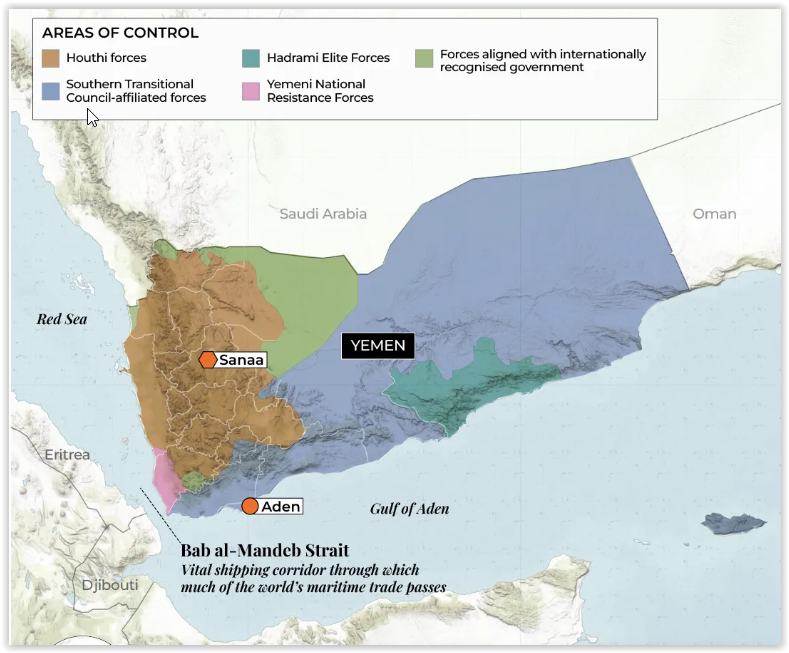
The crisis erupted in early December when the UAE-backed STC initiated “Operation Promising Future,” swiftly seizing control of Hadramawt—the oil-rich province bordering Saudi Arabia—and al-Mahra. STC forces captured key sites like Seiyun and PetroMasila with minimal resistance, as Saudi-backed government troops withdrew.
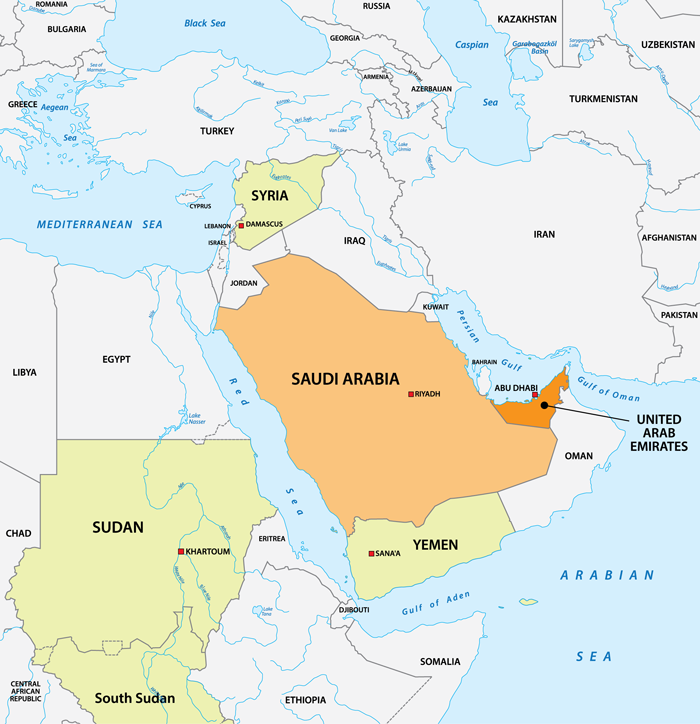
By mid-December, the STC controlled vast eastern territories, giving it dominance over nearly half of Yemen’s landmass and critical resources. Saudi Arabia responded by amassing troops on its border and demanding STC withdrawal on December 25, viewing the advances as a direct threat.
On December 26–27, Saudi-led coalition airstrikes targeted STC positions in Hadramawt, described as warnings. The STC rejected pullback demands, accusing Riyadh of undermining southern security.
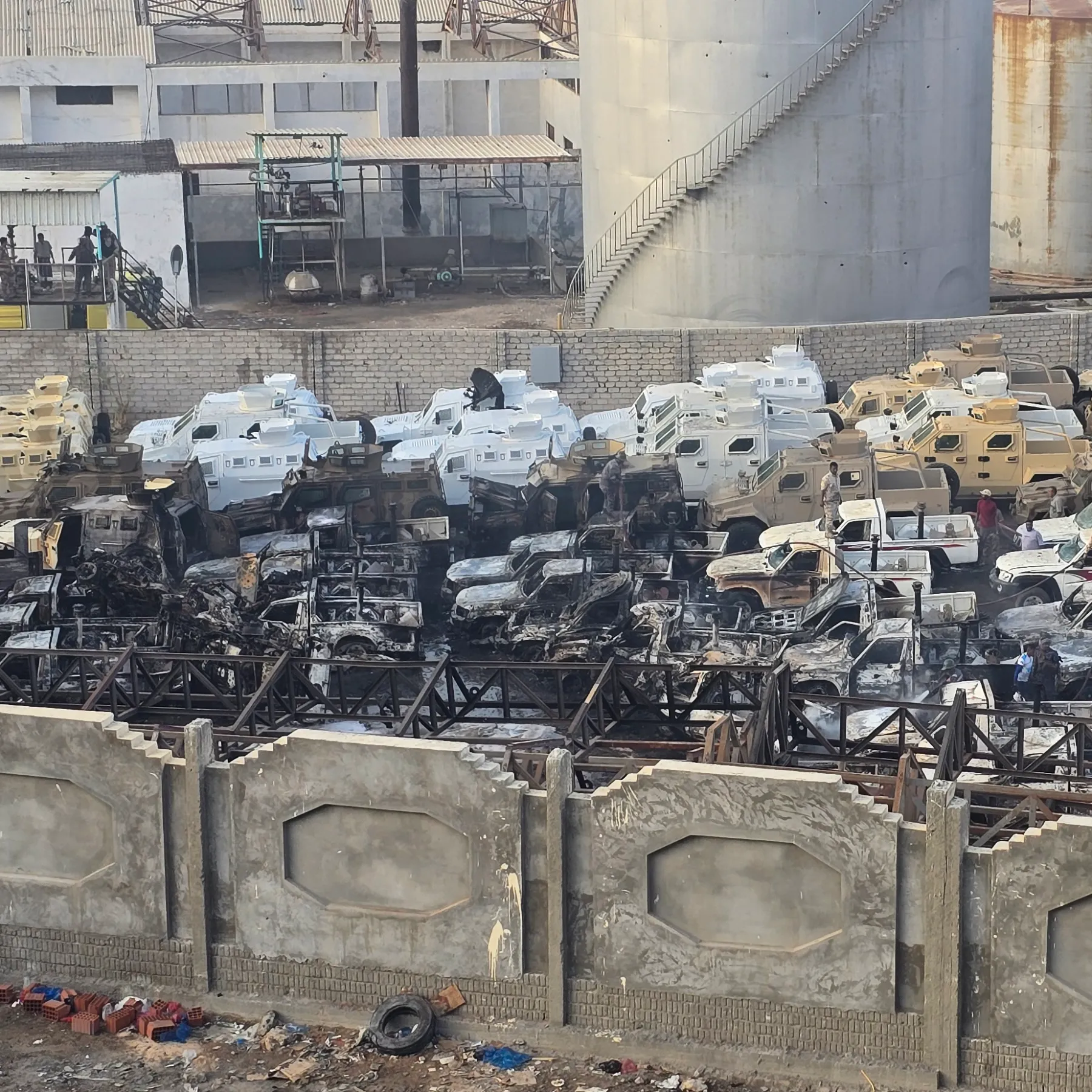
Tensions peaked on December 30 when a shipment from the UAE—containing vehicles and alleged weapons—arrived at Mukalla port for STC forces. Saudi coalition forces bombed the port, destroying the cargo. Riyadh accused Abu Dhabi of arming separatists and “pressuring” them to threaten Saudi borders, calling it a “red line.”
Yemen’s Saudi-backed PLC, led by Rashad al-Alimi, canceled a defense pact with the UAE, ordered Emirati forces out within 24 hours, and declared a state of emergency.
The UAE denied supplying weapons (claiming the shipment was for its counterterrorism units), expressed surprise at the strikes, and announced a voluntary withdrawal of remaining forces on December 31, ending its military presence in Yemen.
This sequence—from territorial grabs to airstrikes and withdrawal—marked the most serious Saudi-UAE confrontation in years, exposing years of proxy competition.
Implications for Yemen and the Region
The rift risks fracturing the anti-Houthi coalition, potentially allowing Houthis to exploit divisions. It could lead to a de facto partition, with STC consolidating a southern entity while Houthis dominate the north.
Regionally, it strains Gulf Cooperation Council (GCC) unity and complicates efforts against Iranian influence. The U.S., a key ally to both, urged restraint, with Secretary of State Marco Rubio discussing the issue.
Humanitarian concerns mount, as Yemen remains one of the world’s worst crises, with millions needing aid.
Pakistan’s Stakes in the Saudi-UAE Relationship
Pakistan maintains deep ties with both nations, making the rift a diplomatic nightmare.
Saudi Arabia provides critical oil on deferred payments, billions in bailouts, and investment. It hosts millions of Pakistani workers whose remittances are vital.
The UAE is a major investor (pledging up to $10 billion recently) and employer of Pakistani expatriates.
Militarily, Pakistan has cooperated with both, though it refused direct involvement in the 2015 Yemen war to avoid domestic backlash.
A prolonged split could force Pakistan to choose sides, risking economic fallout—lost aid, remittances disruptions, or investment pullbacks.
Indirectly, renewed Yemen fighting could raise shipping costs via Houthi Red Sea attacks, impacting Pakistan’s trade.
Pakistan’s Response: Neutrality with a Saudi Lean
Islamabad has navigated carefully, prioritizing de-escalation while subtly aligning with Riyadh.
The Foreign Ministry expressed concern over violence, supported Saudi diplomatic efforts for Yemen’s unity, commended the UAE’s “constructive role,” and welcomed dialogue.
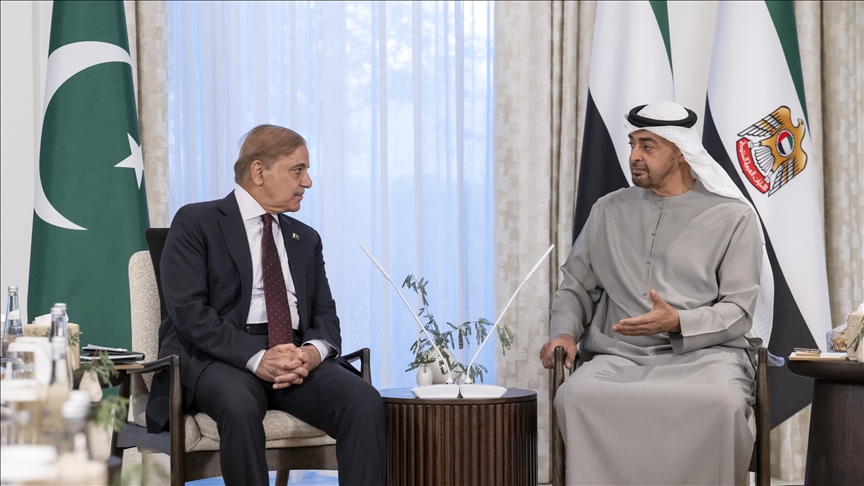
Prime Minister Shehbaz Sharif called Saudi Crown Prince Mohammed bin Salman, offering “complete solidarity.”
Foreign Minister Ishaq Dar discussed developments with Saudi counterparts.

How Pakistan Should Respond to Protect Its Interests
To safeguard vital interests, Pakistan should adopt a proactive, multifaceted strategy:
- Intensify Mediation Efforts: Leverage trust with both sides to host backchannel talks. Pakistan’s neutral history positions it as a potential broker.
- Strategic Alignment with Saudi Arabia: While maintaining UAE relations, prioritize Riyadh on Yemen unity issues, as Saudi aid is more existential for Pakistan’s economy.
- Push for GCC Reconciliation: Use OIC and bilateral channels to urge de-escalation, emphasizing shared threats like Houthis and Iran.
- Diversify Economic Partnerships: Accelerate ties with China (CPEC), Turkey, Qatar, and others to reduce vulnerability to Gulf fluctuations.
- Avoid Military Involvement: Steer clear of any direct role to prevent domestic opposition or resource strain.
- Protect Expatriates and Remittances: Coordinate with both governments to ensure worker safety and smooth financial flows.
As the UAE withdrawal has temporarily cooled tensions, underlying rivalries persist. Pakistan’s deft diplomacy can help stabilize the situation while protecting its core interests.
Conclusion
The 2025 Saudi-UAE rift over Yemen underscores shifting Gulf dynamics, where economic competition and differing strategic visions overshadow past alliances. For Yemenis, it prolongs suffering in a forgotten war. For the region, it risks broader instability.
Pakistan, caught in the middle, has responded prudently with neutrality and solidarity toward Saudi Arabia. Moving forward, proactive mediation and diversification will best serve Islamabad’s interests, ensuring economic security amid Gulf uncertainties. Ultimately, sustained dialogue between Riyadh and Abu Dhabi is essential for Yemen’s peace and regional harmony.