
(By Mohsin Tanveer)
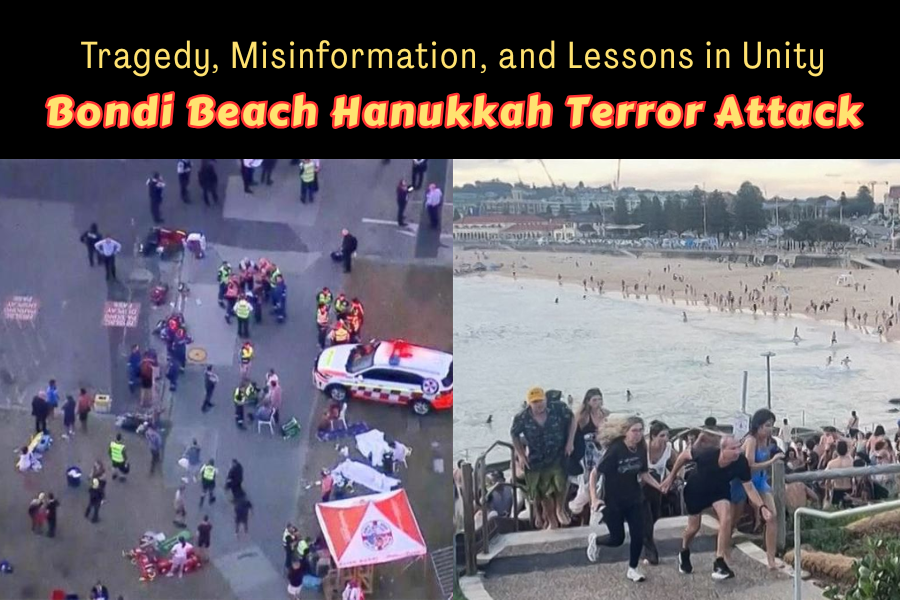
On December 14, 2025, a devastating terrorist mass shooting took place at Bondi Beach in Sydney, Australia, during the “Chanukah by the Sea” event celebrating the first day of Hanukkah, organized by the local Chabad Jewish community. Two gunmen—a father-and-son duo—opened fire on attendees in Archer Park near the beach, killing at least 15 people (including children, rabbis, and a Holocaust survivor) and injuring dozens more. Australian authorities, including Prime Minister Anthony Albanese and New South Wales Police, classified it as a targeted terrorist attack, marking one of the deadliest mass shootings in the country since the 1996 Port Arthur massacre.
The attackers were officially identified by Australian police as Sajid Akram (50, the father, shot dead at the scene by police who came to Australia on Indian passport in 1998) and Naveed Akram (24, the son, critically injured and in custody). Sajid was a licensed firearms owner who migrated to Australia in the late 1990s; Naveed was Australian-born. The pair used legally obtained firearms, and investigations continue into potential extremist motives, with reports of prior security interest in one of them.
A heroic Muslim bystander, Ahmed al-Ahmed, disarmed one shooter, preventing further casualties. Australian Muslim leaders and organizations swiftly condemned the attack as un-Islamic and expressed solidarity with the Jewish community. You can watch the video at the bottom of this article.
Past incidents of violence against Muslims in the region include the 2019 Christchurch mosque shootings in New Zealand, where a far-right Australian extremist killed 51 worshippers.
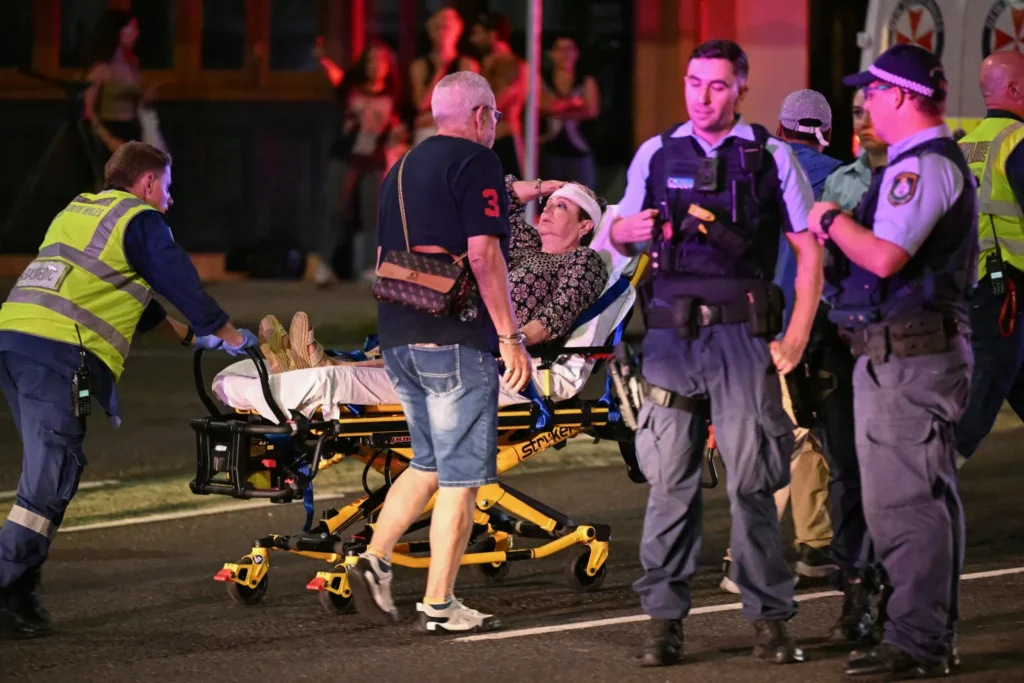
Misinformation and Propaganda by Sections of Indian Media and Social Media
In the hours following the attack, before full official details were confirmed, a wave of misinformation spread rapidly on social media and some Indian news outlets. False claims emerged portraying the attackers as “Pakistani nationals” or directly linking them to Pakistan, often accompanied by doctored or unrelated photos (e.g., misusing images of innocent individuals). Outlets and accounts amplified unverified narratives tying the perpetrators to Pakistani institutions or origins, despite Australian authorities describing them as long-term Sydney residents with no emphasized foreign nationality in this context. It is hilarious to mention that Sajid Akram landed on Australian soil in 1998 from India carrying Indian passport and student visa.
This disinformation was widely debunked by fact-checkers, officials, and affected individuals, who highlighted it as a malicious propaganda campaign exploiting India-Pakistan tensions to defame Muslims and Pakistan broadly. Such reckless “monkey acts” of sensationalism and fake news not only distorted facts but risked inflaming inter-community hatred, diverting attention from the real tragedy: an terror act condemned universally. Responsible journalism demands verification; spreading unconfirmed biases undermines trust and exacerbates divisions.
What Islam Teaches About Killing Innocent People
Islam strictly prohibits the killing of innocent people, considering it one of the gravest sins. The Quran states: “Whoever kills a soul unless for a soul or for corruption [done] in the land—it is as if he had slain mankind entirely” (Quran 5:32). This verse, addressed to the Children of Israel but applied universally in Islamic tradition, equates the unjust killing of one innocent person to killing all of humanity.
Key principles:
- Life is sacred, and only God has the ultimate right over it.
- Killing non-combatants (women, children, elderly, clergy, etc.) is forbidden, even in legitimate warfare.
- Terrorism, vigilante violence, or targeting civilians is condemned as corruption on earth.
- The Prophet Muhammad (PBUH) emphasized mercy, justice, and protection of innocents, stating that unjust killers step outside the fold of true faith.
Acts like the Bondi shooting contradict core Islamic teachings. Muslim scholars and organizations worldwide, including Australian ones, have condemned such violence as un-Islamic.
How and Why Such Tragedies Occur
These rare but horrific events stem from radicalization, where individuals distort ideology for personal or political grievances, often amplified by online hate, mental health struggles, or geopolitical frustrations (e.g., Middle East conflicts fueling antisemitism). Access to weapons, alienation, and echo chambers play roles, but most people facing similar issues reject violence. Societies must address root causes through counter-radicalization, mental health support, and strict laws—Australia’s post-1996 gun reforms saved lives until loopholes were exploited here.
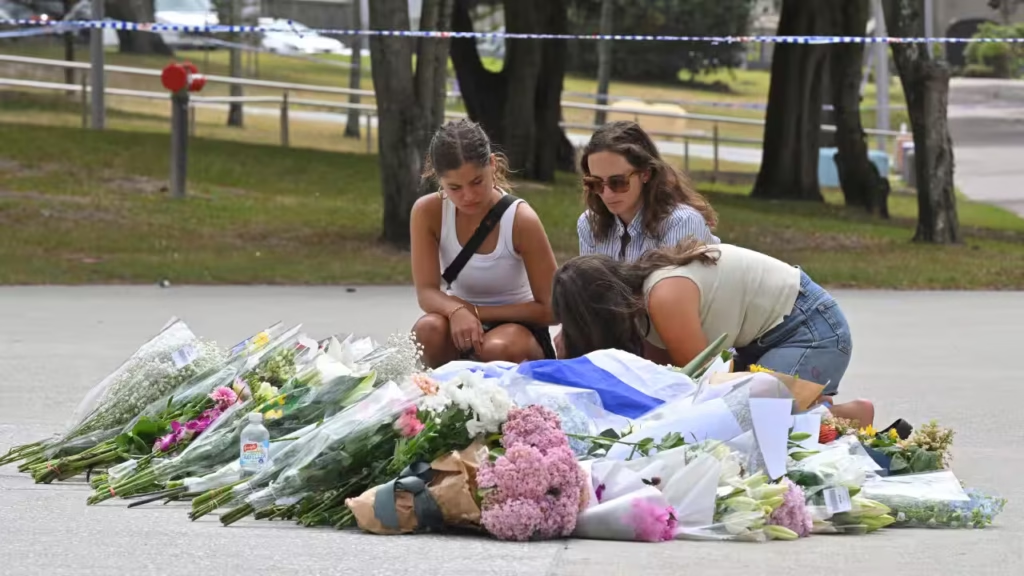
How Society Can Prevent Vigilantism and Promote Peace
To honor victims and prevent future horrors like Bondi or Christchurch:
- Promote education: Teach media literacy, empathy, religious tolerance, and critical thinking in schools to counter hate speech and misinformation.
- Foster interfaith dialogue: Encourage joint events between Jewish, Muslim, and other communities to build understanding and reject extremism in all forms (antisemitism, Islamophobia).
- Combat misinformation: Platforms and media must fact-check swiftly; individuals report fake news to halt propaganda cycles.
- Uphold the rule of law: Support police and justice systems—never take law into own hands, as vigilantism fuels endless violence.
- Whole-of-society efforts: Governments, leaders, and citizens invest in inclusion, mental health, and programs preventing violent extremism.
Conclusion
The Bondi Beach tragedy is a stark reminder of the devastating impact of hate and extremism, regardless of its source. While no community or faith should be collectively blamed for the actions of individuals who pervert their beliefs, events like this underscore the urgent need for unity across divides. By rejecting propaganda, embracing truth, fostering mutual respect, and committing to peace, societies can heal wounds, honor the innocent lives lost, and ensure that light prevails over darkness. In the face of such evil, our shared humanity must guide us toward a safer, more compassionate world for all.




2 Comments