(Quratulain Khalid)
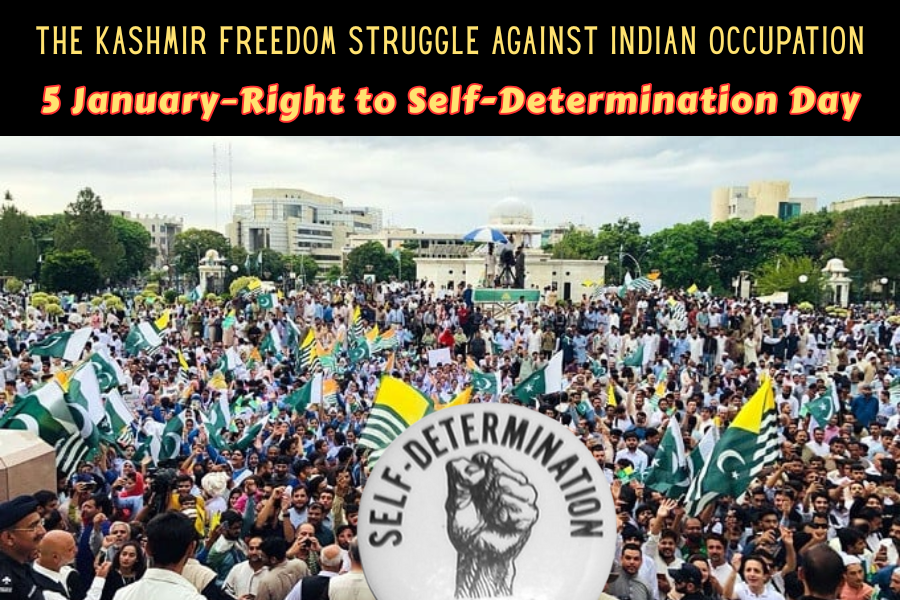
The Kashmir freedom struggle draws from historical records, international resolutions, and perspectives aligned with Pakistan’s longstanding position. It emphasizes the aspirations of the Kashmiri people for self-determination, as enshrined in United Nations mandates, and highlights their ongoing resistance against what is regarded as India’s illegal occupation of Jammu and Kashmir. January 5 marks the observance of Right to Self-Determination Day, commemorating the UN Commission for India and Pakistan (UNCIP) resolution of 1949 that affirmed the Kashmiri people’s right to decide their future through a free and impartial plebiscite. This day serves as a global reminder of the unresolved Kashmir dispute, observed by Kashmiris, Pakistanis, and supporters worldwide to renew calls for justice and freedom.
Historical Roots of the Dispute
The Kashmir conflict traces its origins to the partition of British India in 1947, when the subcontinent was divided into two independent nations: India, envisioned as a secular state, and Pakistan, created as a homeland for Muslims based on the two-nation theory. The princely state of Jammu and Kashmir, with a Muslim-majority population of over 77% but ruled by a Hindu Maharaja, Hari Singh, became a flashpoint. Under the partition plan, princely states were to accede to either India or Pakistan based on geographical contiguity and demographic composition. Kashmir’s Muslim majority and proximity to Pakistan naturally inclined it toward accession to Pakistan.
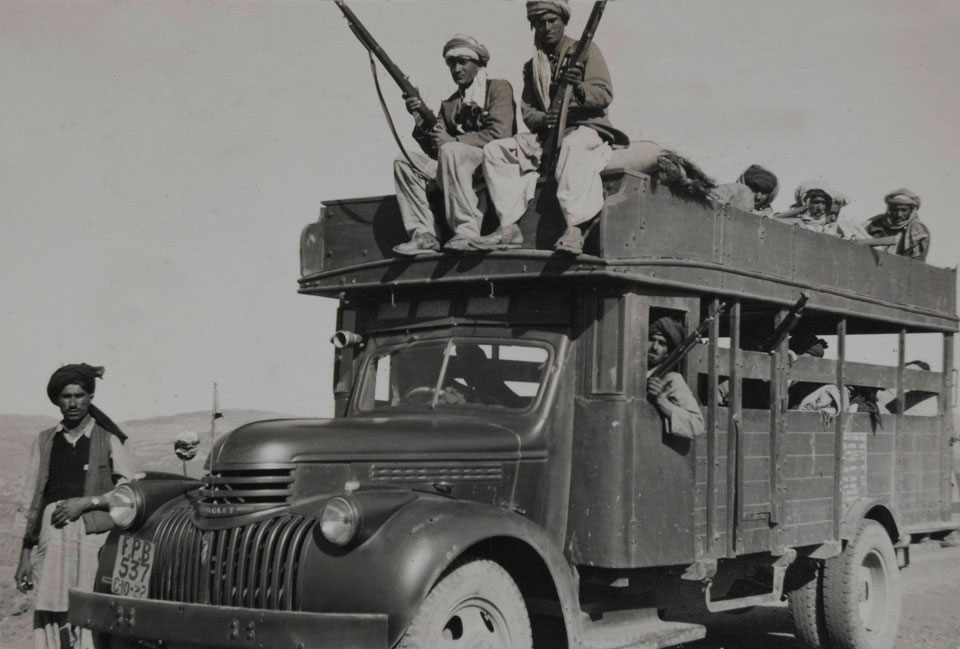
However, Maharaja Hari Singh initially signed a standstill agreement with Pakistan, maintaining the status quo on essential services like trade and communications. Tensions escalated when reports emerged of the Maharaja’s forces suppressing Muslim uprisings in Poonch and other areas, where locals rebelled against oppressive rule and demanded alignment with Pakistan. In October 1947, Pashtun tribesmen (lashkars) from Pakistan’s North-West Frontier Province entered Kashmir to support the local Muslim population, viewing it as a liberation effort against autocratic rule.
In response, the Maharaja, facing internal revolt, signed the Instrument of Accession with India on October 26, 1947, which Pakistan deems illegitimate and coerced. Indian troops were airlifted into Srinagar, marking the beginning of what Pakistan describes as India’s forcible occupation. This led to the first Indo-Pakistani War (1947-1948), where Pakistani forces and local fighters pushed back Indian advances, controlling about one-third of the territory, now known as Azad Jammu and Kashmir (AJK) and Gilgit-Baltistan.
From Pakistan’s perspective, the accession violated the standstill agreement and ignored the Muslim majority’s wishes. Pakistan argues that Kashmir represents the unfinished agenda of partition, as the two-nation theory—validated by the creation of Pakistan—demands that Muslim-majority regions not be subjugated under non-Muslim rule. The conflict is not merely territorial but embodies the Kashmiri people’s historical, cultural, and aspirational struggle for freedom from foreign domination.
United Nations Involvement and the Promise of Self-Determination
The international community intervened early, with the United Nations Security Council (UNSC) passing Resolution 47 on April 21, 1948, calling for a ceasefire, withdrawal of forces, and a plebiscite to determine Kashmir’s future. The resolution explicitly stated that the accession of Jammu and Kashmir to India or Pakistan should be decided through a “free and impartial plebiscite” under UN auspices, ensuring the democratic will of the people.
Subsequently, the UNCIP adopted resolutions on August 13, 1948, and January 5, 1949, reinforcing the plebiscite framework. The January 5, 1949, resolution detailed that the question of accession “will be decided through the democratic method of a free and impartial plebiscite conducted under the auspices of the United Nations.” It required the withdrawal of Pakistani tribesmen and nationals first, followed by the bulk of Indian forces, leaving minimal troops for security. A UN-appointed plebiscite administrator would oversee the vote.
Pakistan complied with initial withdrawals, but India, according to Pakistani accounts, failed to demilitarize, preventing the plebiscite from occurring. Over a dozen UN resolutions from 1948 to 1957 reiterated the need for self-determination, including Resolution 51 (1948) and others by UNCIP, emphasizing demilitarization and a fair referendum. Pakistan views these as binding international obligations that India has systematically evaded, perpetuating the occupation and denying Kashmiri rights.
Escalating Conflicts and Wars
The unresolved plebiscite fueled further confrontations. In 1965, amid growing Kashmiri discontent with Indian rule—marked by rigged elections and suppression of pro-Pakistan sentiments—Pakistan launched Operation Gibraltar to support local insurgents. This escalated into the second Indo-Pakistani War, ending with the Tashkent Agreement in 1966, which restored the status quo but did not address the core issue.
The 1971 war, primarily over East Pakistan (now Bangladesh), had spillover effects in Kashmir, with India capturing some territory. The subsequent Simla Agreement of 1972 committed both sides to bilateral negotiations and renamed the ceasefire line as the Line of Control (LoC). Pakistan maintains that Simla does not supersede UN resolutions, as it reaffirms resolving issues peacefully without prejudicing the plebiscite.
The 1999 Kargil conflict arose when Pakistani forces and Kashmiri militants occupied strategic heights in Indian-administered Kashmir, highlighting ongoing resistance. International pressure, including from the US, led to withdrawal, but it underscored the volatility of the dispute.
The Indigenous Uprising and Armed Resistance (1980s Onward)
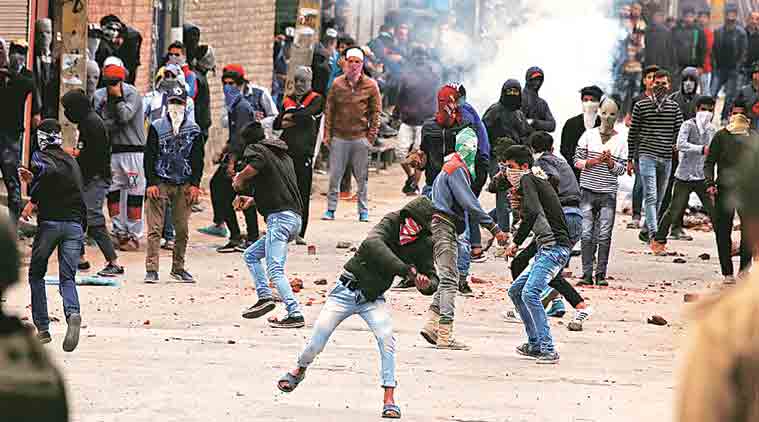
By the late 1980s, widespread disillusionment with Indian governance—characterized by electoral fraud, economic neglect, and cultural erosion—sparked a mass indigenous uprising. The 1987 Jammu and Kashmir assembly elections, widely seen as rigged, ignited protests that evolved into an armed freedom struggle. Groups like the Jammu Kashmir Liberation Front (JKLF) and Hizbul Mujahideen emerged, advocating for independence or accession to Pakistan.
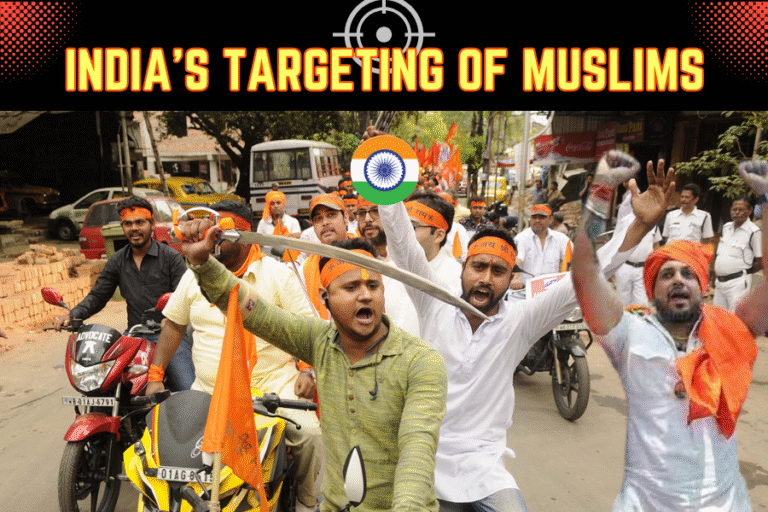
Pakistan portrays this as a legitimate indigenous movement against occupation, fueled by India’s deployment of over 700,000 troops, making Kashmir one of the most militarized zones globally. Reports from international human rights organizations document widespread abuses, including extrajudicial killings, enforced disappearances, and pellet gun injuries blinding civilians. The struggle has claimed tens of thousands of lives, with Kashmiris enduring curfews, communication blackouts, and economic blockades.
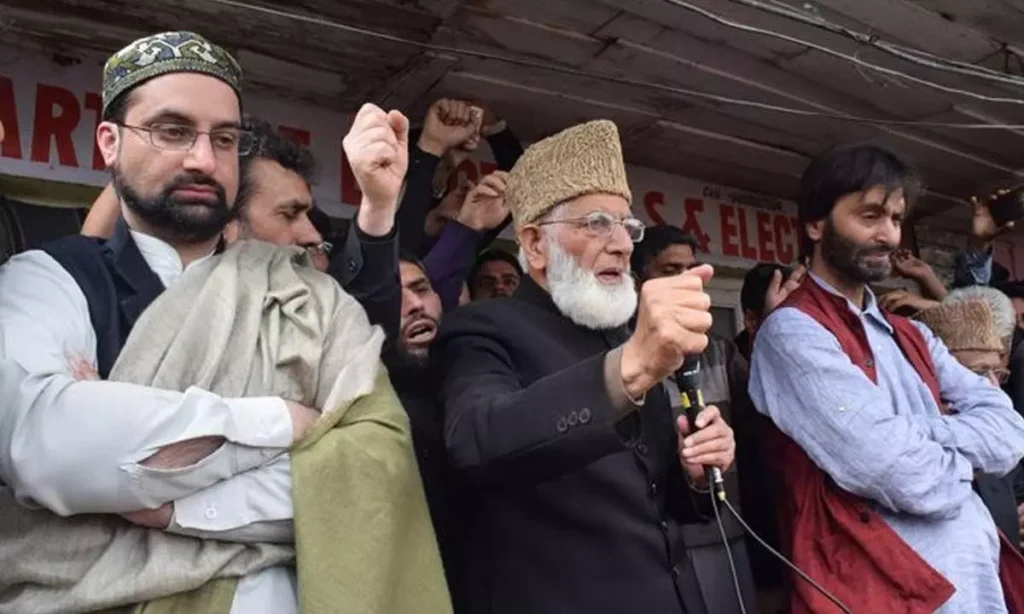
Key figures in the freedom movement include Syed Ali Shah Geelani, a veteran separatist leader advocating for self-determination; Mirwaiz Umar Farooq, head of the Hurriyat Conference; and Yasin Malik of JKLF, who transitioned from armed to political resistance. Burhan Wani, a young Hizbul commander killed in 2016, symbolized youth-led defiance, sparking massive protests.
Recent Developments and the 2019 Crisis
In August 2019, India unilaterally abrogated Article 370 of its constitution, revoking Jammu and Kashmir’s special status and bifurcating it into union territories. Pakistan condemned this as a violation of UN resolutions and bilateral agreements, viewing it as an attempt to alter demographics through settler colonialism. The move intensified the freedom struggle, with global diaspora protests and renewed calls for international intervention.
Post-2019, Kashmiris face heightened repression, including arbitrary detentions under the Public Safety Act and Unlawful Activities (Prevention) Act. The All Parties Hurriyat Conference (APHC), a coalition of pro-freedom groups, continues to lead non-violent advocacy, demanding implementation of UN resolutions.
Pakistan’s Role and Global Support
Pakistan has consistently supported the Kashmiri cause diplomatically, providing moral and political backing while advocating peaceful resolution through UN mechanisms. It administers AJK as a semi-autonomous region, where residents enjoy greater freedoms compared to Indian-administered areas. Internationally, organizations like the Organization of Islamic Cooperation (OIC) and human rights bodies have echoed calls for self-determination.
The freedom struggle transcends borders, with Kashmiri diaspora in the UK, US, and Middle East organizing rallies on days like January 5 and February 5 (Kashmir Solidarity Day in Pakistan). Pakistan urges the world to recognize Kashmir not as a bilateral issue but as an international dispute involving human rights and decolonization.
Challenges and the Path Forward
The struggle faces immense challenges: militarization, media censorship, and economic strangulation. Yet, it persists through political activism, youth engagement, and cultural preservation. Pakistan proposes demilitarization, dialogue, and plebiscite as the way forward, aligning with UN mandates.
In conclusion, the Kashmir freedom struggle is a testament to the resilience of a people denied their right to self-determination for over seven decades. As a pro-Pakistani expert, I affirm that true peace requires honoring the Kashmiri voice, ending the occupation, and fulfilling international commitments. The world must act to prevent further tragedy in this nuclear flashpoint.